Pappedeckel: The Essential Guide to Cardboard Lids
A simple look at their meaning, uses, benefits and recycling

Introduction
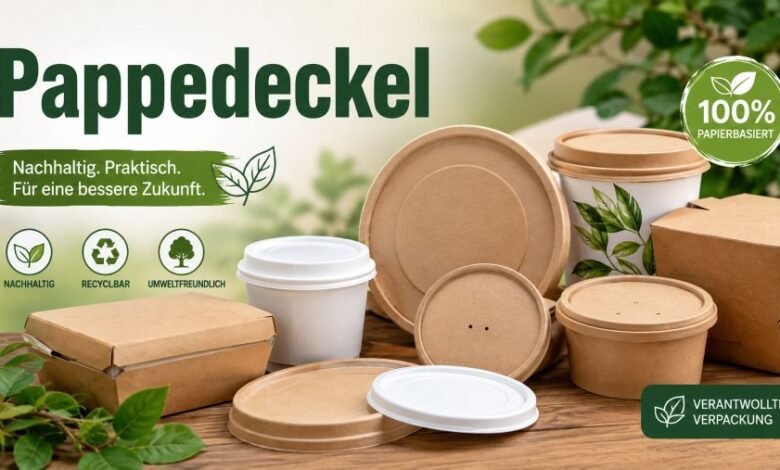
Pappedeckel is a term commonly used online for a lid, cover or flat protective piece made from cardboard or thick paperboard. These simple items are widely used in food packaging, takeaway containers, drink service and product boxes.
The standard German spelling is usually Pappendeckel. German references also recognise related forms such as Pappdeckel. The word combines the idea of cardboard with a lid or cover.
Cardboard lids are becoming more visible because businesses and customers are looking for packaging that uses less conventional plastic. However, their environmental value depends on their materials, coatings, design and local recycling facilities.
What Is a Pappedeckel?
A Pappedeckel is normally a flat or shaped piece of paperboard designed to close, cover or protect another item.
It may sit on top of:
- A takeaway food bowl
- A soup or salad container
- A drinking cup
- A storage box
- A food tray
- A product package
In some German-speaking areas, a cardboard drinks coaster may also be described using a related term. Traditional beer coasters are made from absorbent cardboard and are placed below glasses, bottles or mugs.
The exact design depends on its purpose. Some lids are completely flat, while others include folded edges, locking tabs, ventilation holes or a shaped rim.
What Is Pappedeckel Made From?
Most cardboard lids are produced from paper fibres pressed into a strong sheet or moulded form.
The material may include:
- Virgin paper fibres
- Recycled paper fibres
- Moulded fibre
- Kraft board
- Corrugated cardboard
- Coated paperboard
- Fibre-based composite materials
Plain cardboard is suitable for dry products, but food packaging may require an additional barrier against moisture, grease or heat.
These barriers may be made from wax, plastic or another coating. They can improve performance, but they may also affect whether the lid can be recycled through a normal paper and cardboard collection.
UK recyclability guidance explains that paper and board packaging should mainly contain natural fibres. Fibre-based packaging containing a small amount of plastic may still be assessed as paper and board, although its final rating depends on the complete packaging design.
Common Uses of Cardboard Lids
Takeaway Food Packaging
Restaurants and takeaway businesses use cardboard lids to close bowls containing salads, rice, noodles and other prepared foods.
A well-fitted lid helps keep the product inside the container during delivery or collection. It can also provide space for branding, handling instructions and food information.
Hot and Cold Drink Service
Paperboard covers may be used with certain drink cups. The lid must be designed for the correct cup size and intended temperature.
Not every cardboard lid is suitable for hot liquids. Businesses must use packaging that has been tested and approved for its intended purpose.
Product Boxes
Cardboard covers are also used for gift boxes, cosmetics, clothing, small electronics and household products.
They can create a simple opening experience while protecting the contents from dust and light contact.
Drinks Coasters
Thick absorbent cardboard is commonly used for beer mats and drinks coasters. Printed coasters can protect tables while also displaying a business name, logo or promotional message.
Arts and Crafts
Clean pieces of cardboard can be reused for children’s crafts, labels, decorations, models and small storage projects.
Food-contaminated packaging should not be reused for crafts, especially when it is greasy, wet or difficult to clean.
Why Are Cardboard Lids Popular?
They Are Lightweight
Paperboard is light, which makes finished packaging easier to store, carry and transport.
Lower packaging weight may also help businesses reduce storage space and delivery costs.
They Can Be Printed
A cardboard surface can display:
- Brand logos
- Product names
- Ingredients
- Recycling instructions
- Promotional designs
- QR codes
- Customer messages
This allows the lid to work as both packaging and a marketing surface.
They Can Reduce Visible Plastic
Replacing a conventional plastic lid with a fibre-based option can reduce the amount of visible plastic in a package.
However, a cardboard product should not automatically be described as plastic-free. Some products contain thin linings, sealants, adhesives or moisture-resistant coatings.
They May Be Recyclable
Clean paper and cardboard are widely accepted for recycling in the UK, although rules can vary between local authorities.
The Confederation of Paper Industries advises keeping recyclable paper separate from food waste and other contaminants because dirty or contaminated paper is harder to process.
Is Pappedeckel Environmentally Friendly?
It can be a useful packaging option, but the answer depends on the complete product.
A plain, clean and easily separated cardboard lid may be suitable for paper recycling. A heavily coated, wet or food-covered lid may not be accepted.
The environmental performance can depend on:
- The source of the paper fibres
- The amount of material used
- Whether recycled fibre is included
- The type of ink and adhesive
- Any plastic or wax coating
- Transport distance
- Local collection systems
- Whether the lid is actually recycled
Businesses should avoid making broad claims such as “fully recyclable,” “plastic-free” or “biodegradable” without evidence that applies to the complete product.
The European Union’s Packaging and Packaging Waste Regulation entered into force on 11 February 2025 and will generally apply from 12 August 2026. It aims to reduce packaging waste and improve recyclability across the packaging lifecycle.
EU packaging policy also sets the direction for packaging placed on the market to become recyclable by 2030.
Food Safety and Cardboard Packaging
Any cardboard lid designed to touch food must be suitable for food contact.
Packaging should not release substances into food at levels that could harm health. It should also not change the food’s composition, taste or smell in an unacceptable way.
These principles apply to paper, cardboard, plastic, glass, metal and other food-contact materials.
Food businesses should purchase lids from reliable suppliers and check information about:
- Food-contact compliance
- Temperature limits
- Grease resistance
- Moisture resistance
- Intended food type
- Storage conditions
- Traceability
- Disposal instructions
A lid made for dry snacks may not be appropriate for oily food, boiling soup or a hot drink.
How to Choose the Right Cardboard Lid
Start by measuring the container carefully. The lid should fit securely without bending, opening or falling inside.
Consider the following points:
Correct Size
Check the diameter, length, width and rim shape. A small difference can prevent the lid from closing correctly.
Food or Non-Food Use
Choose food-contact-approved material when the lid will touch food or drink.
Temperature
Confirm whether it is suitable for cold, warm or hot contents.
Moisture and Grease
Wet or oily products may require a protective barrier. Ask how that barrier affects recycling.
Strength
The lid should remain stable during stacking, delivery and normal handling.
Recycling Instructions
Clear disposal information helps customers place the packaging in the correct waste stream.
Printing Quality
Food-safe inks and suitable printing methods should be used when the printed surface may come close to food.
How Should It Be Recycled?
Remove any leftover food before recycling the lid.
A clean, dry and mostly fibre-based lid may be accepted with paper and cardboard. A lid covered with grease or food may need to go into general waste or another collection specified by the local council.
Customers should:
- Separate the lid from the container when required.
- Remove large pieces of food.
- Check for plastic films or detachable parts.
- Keep the cardboard dry.
- Follow local council recycling instructions.
Packaging collection rules are not identical everywhere, so local guidance remains important.
Frequently Asked Questions
What does Pappedeckel mean?
It generally refers to a cardboard lid, cardboard cover or flat piece of paperboard. The standard German spelling is commonly written as Pappendeckel.
Is it a brand name?
The word may appear in website or business names, but it is also used as a descriptive packaging term. The meaning depends on the context in which it appears.
Is every cardboard lid recyclable?
No. Recyclability depends on coatings, adhesives, food contamination and the facilities available in the local area.
Can it be used for hot food?
Only when the manufacturer confirms that the product is suitable for the required temperature and type of food.
Is cardboard better than plastic?
Cardboard may reduce conventional plastic use, but neither material is automatically sustainable. The best choice depends on design, sourcing, weight, reuse, collection and recycling.
Can cardboard lids contain plastic?
Yes. Some include thin plastic layers or other barriers to provide resistance against moisture, oil or heat.
Are cardboard lids safe for food?
They can be safe when manufactured and tested for food contact. Ordinary craft cardboard should not be used as food packaging.
Can businesses print logos on them?
Yes. Cardboard provides a useful printing surface for logos, product details, instructions and promotional messages.
Final Thoughts
Pappedeckel describes a simple but useful form of cardboard packaging. It may serve as a food-container lid, product-box cover, coaster or protective board.
Its main advantages include low weight, easy printing and the potential to reduce conventional plastic use. However, customers and businesses should examine the complete material rather than assuming that every cardboard lid is recyclable or environmentally friendly.
Choosing the correct size, food-contact standard, coating and disposal instructions can make this type of packaging safer, more practical and easier to recycle.