Acryldach: A Smart Guide to Acrylic Roofing
Learn what an Acryldach is, where it can be used, and how it compares with glass and polycarbonate roofing.

Introduction
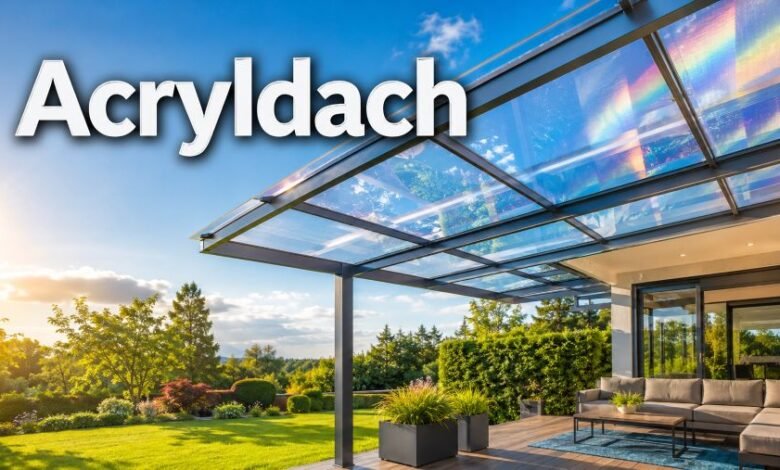
An Acryldach is a roof made from transparent or tinted acrylic-glass sheets. The German word combines “Acryl,” meaning acrylic, with “Dach,” meaning roof. It is a popular choice for patios, balconies, carports, entrance canopies, verandas, and other outdoor spaces where people want protection without losing natural daylight.
Acrylic roofing can create a bright, modern, and weather-protected area. However, its suitability depends on the sheet type, supporting structure, local weather, and quality of installation. This guide explains the advantages, disadvantages, costs, maintenance needs, and important buying considerations in simple language.
What Is an Acryldach?
An Acryldach is generally constructed with acrylic glass, also known as polymethyl methacrylate or PMMA. It may look like ordinary glass, but it is a transparent thermoplastic material.
PLEXIGLAS is a registered brand of acrylic glass, although people sometimes use the name as a general term for clear plastic sheets. Acrylic roofing is sold in several forms, including:
- Solid acrylic sheets
- Corrugated sheets
- Multiwall or twin-wall sheets
- Clear, tinted, or textured panels
- Heat-reducing and water-spreading panels
The correct form depends on the roof design and its intended purpose. Solid sheets offer a glass-like appearance, while multiwall sheets may provide better insulation and lower weight.
Where Can an Acrylic Roof Be Used?
An Acryldach is normally used for smaller residential or commercial structures rather than as the main roof of a house.
Common applications include:
- Patio and terrace roofs
- Balcony covers
- Carports
- Entrance canopies
- Garden shelters
- Verandas
- Walkways
- Greenhouses
- Outdoor seating areas
Its transparency makes it especially useful next to windows. An opaque roof can make the adjoining room darker, while clear acrylic allows more daylight to continue entering the property.
Main Benefits of an Acryldach
High Light Transmission
Clear acrylic glass can deliver excellent light transmission. Some transparent PLEXIGLAS products allow up to 92% of visible light to pass through. This creates a bright outdoor area with an open appearance.
Natural daylight can also reduce the need for artificial lighting during the daytime.
Protection From Rain and Snow
A properly designed roof protects a patio, balcony, or entrance from rain and moderate snowfall. It can make an outdoor space usable during more months of the year.
The roof does not make an open patio completely weatherproof, because wind-driven rain can still enter from the sides. Side panels or screens may be needed for additional protection.
Strong UV Stability
Quality acrylic glass is naturally resistant to ultraviolet exposure and is less likely to turn yellow quickly. According to the manufacturer, many clear PLEXIGLAS products retain high light transmission even after decades of outdoor use.
Some acrylic roofing products also block most harmful UV radiation while allowing visible daylight through. Product performance varies, so buyers should always check the technical data for the exact panel. The official PLEXIGLAS roofing guide explains its material’s light and UV properties.
Lower Weight Than Glass
Acrylic sheets are significantly lighter than traditional glass. The lower weight can simplify transport and handling and may place less load on the supporting structure.
This does not mean that a weak frame is acceptable. The entire roof must still be designed for wind, snow, drainage, and the weight of the selected panels.
Modern Appearance
Clear acrylic offers a clean, glass-like finish. It can work well with aluminium, steel, and timber frames.
Buyers can also choose tinted, frosted, or textured panels. These options may provide more shade or privacy while maintaining some natural light.
Easier Processing
Acrylic sheets can be cut and drilled using suitable equipment. This makes custom sizing possible for many home improvement projects.
Incorrect tools or drilling methods can crack a panel. Anyone without the necessary experience should ask a qualified installer to complete the work.
Possible Disadvantages
Lower Impact Resistance Than Polycarbonate
Acrylic is strong enough for many roofing applications, but polycarbonate usually provides greater impact resistance. Polycarbonate may therefore be the better choice in places exposed to severe hail, falling branches, or repeated physical impacts.
Official polycarbonate manufacturer information describes products designed for high-impact applications such as skylights, canopies, and protective glazing. Buyers can review these characteristics on the Palram PALSUN product page.
Risk of Cracking During Installation
Acrylic panels expand and contract when temperatures change. Fasteners that are too tight, holes that are too small, or insufficient expansion space can place stress on the material.
Cracks may appear around drilled holes or panel edges if the manufacturer’s installation instructions are ignored.
Scratches Require Care
Although acrylic can offer good surface hardness, abrasive brushes and rough cleaning products may leave scratches. Dirt should be removed with water, a soft cloth, or another method approved by the panel manufacturer.
Heat Under Clear Panels
A clear roof allows sunlight into the covered area. This is useful in cooler weather but may create uncomfortable heat during summer.
Tinted, opal, structured, or heat-reducing sheets can help. External shading and good airflow may also improve comfort.
Rain Noise
Rain falling on plastic roofing panels can produce noticeable sound. Sheet thickness, panel design, insulation, frame construction, and rainfall intensity all affect the final noise level.
Acryldach vs Polycarbonate vs Glass
| Feature | Acrylic | Polycarbonate | Glass |
|---|---|---|---|
| Appearance | Clear and glass-like | Clear but may look more plastic | Premium natural clarity |
| Weight | Lighter than glass | Very lightweight | Heaviest option |
| Impact resistance | Good with the correct product | Usually the strongest | Depends on the safety-glass type |
| Scratch resistance | Generally better than polycarbonate | More easily scratched | Usually very good |
| UV stability | Excellent in quality sheets | Depends on the UV-protective layer | Naturally stable |
| Installation | Moderate difficulty | Often easier to handle | Usually needs professional fitting |
| Cost | Mid-range to premium | Often economical to mid-range | Commonly the most expensive |
| Best suited to | Bright, elegant patio roofs | High-impact and practical projects | Premium permanent structures |
No material is perfect for every building. Acrylic is a strong option when long-term clarity and a glass-like appearance are priorities. Polycarbonate is attractive when impact resistance and low weight matter most. Glass may suit buyers who want a premium finish and have a structure designed for its additional weight.
Which Acrylic Sheets Are Best?
Solid Sheets
Solid acrylic sheets provide the closest appearance to traditional glass. They can create an elegant canopy or patio roof but may require a stronger structure than lightweight multiwall panels.
Corrugated Sheets
Corrugated panels have a wave-shaped profile. They are often used for canopies, sheds, carports, and simple terrace roofs.
Their profile assists with strength and water drainage, but correct overlaps and matching fixings are essential.
Multiwall Sheets
Multiwall acrylic panels contain internal chambers. These sheets are lighter than comparable solid panels and can offer useful insulation.
The open ends of the chambers must be sealed with suitable profiles or tapes. Poor sealing can allow dirt, insects, algae, or moisture to enter.
Important Checks Before Buying
Before ordering an Acryldach, consider the following questions:
- Is the product approved for overhead roofing?
- What wind and snow loads must the roof withstand?
- Is the panel suitable for the planned supporting distance?
- Does it include protection against yellowing?
- Is the sheet designed for the local hail risk?
- How much light and solar heat does it transmit?
- Which fixings, seals, tapes, and profiles are required?
- What roof pitch does the manufacturer recommend?
- Does the project require planning permission?
- Who is responsible for structural calculations?
A sheet’s colour and thickness are not enough to determine its safety. Always use the manufacturer’s load tables and installation guide for the exact product.
How Is an Acryldach Installed?
A typical installation includes a timber, steel, or aluminium frame followed by support profiles, acrylic panels, seals, fixings, wall connections, and rainwater drainage.
The installer must usually:
- Build a stable and level supporting frame
- Provide the required roof slope
- Allow space for thermal expansion
- Use compatible seals and corrosion-resistant fixings
- Avoid overtightening screws
- Position the sheets in the correct direction
- Seal multiwall-panel ends correctly
- Fit reliable wall flashing
- Install guttering where required
A steeper slope normally improves water drainage and helps rain remove surface dirt. However, the required slope and support spacing must come from the product documentation and local structural requirements.
Walking directly on acrylic sheets can be dangerous and may damage them. Proper access boards and fall protection are necessary during installation and maintenance.
Does an Acryldach Need Planning Permission?
Planning rules depend on the country, region, size, height, property boundaries, and type of structure. A small entrance canopy may be treated differently from a large enclosed terrace.
Before construction, contact the local planning or building authority. Tenants should also obtain written permission from the property owner. People living in managed or jointly owned buildings may need additional approval.
Planning approval does not replace structural safety. Wind and snow loads should be checked even when formal permission is unnecessary.
How Much Does an Acryldach Cost?
The total price depends on more than the acrylic panels. Important cost factors include:
- Roof dimensions
- Panel type and thickness
- Timber, aluminium, or steel frame
- Clear, tinted, or specialist coatings
- Guttering and drainage
- Wall flashing
- Labour charges
- Structural calculations
- Delivery and access
- Planning or permit fees
- Removal of an old roof
A low sheet price may not produce a low total project cost. Profiles, seals, fixings, flashing, and labour can form a considerable part of the final budget.
For an accurate comparison, request written quotations that use the same dimensions, sheet specification, frame material, drainage system, and installation scope.
Cleaning and Maintenance
An Acryldach normally requires limited maintenance, but gentle cleaning will protect its appearance.
A safe routine includes:
- Remove loose leaves without scraping the panels.
- Rinse the surface with clean water.
- Use a soft cloth or non-abrasive sponge.
- Apply only a manufacturer-approved cleaner.
- Rinse away all cleaning residue.
- Inspect seals, screws, gutters, and wall connections.
Do not use rough brushes, scouring pads, aggressive solvents, or unapproved chemicals. Avoid standing directly on the panels.
Gutters should be kept clear so water does not collect around roof edges. After strong winds, hail, or heavy snow, inspect the structure for movement, cracks, loose fixings, or blocked drainage.
Is an Acryldach Worth It?
An Acryldach can be a worthwhile choice for homeowners who want a bright, modern roof over a patio, balcony, entrance, or carport. It combines high transparency, low weight, weather resistance, and an attractive glass-like finish.
It may not be the best option for every property. Polycarbonate can offer better impact resistance, while laminated or toughened glass may deliver a more premium appearance. The best choice depends on the climate, budget, structure, and desired level of light.
A good acrylic roof is not simply a collection of clear sheets. Its long-term performance depends on verified materials, correct structural design, suitable accessories, thermal movement, effective drainage, and careful installation.
Frequently Asked Questions
What does Acryldach mean?
Acryldach is a German term meaning acrylic roof. It usually describes a canopy or outdoor roof covered with acrylic-glass sheets.
Is acrylic roofing the same as PLEXIGLAS?
PLEXIGLAS is a brand of acrylic glass. Not every acrylic roofing sheet is a PLEXIGLAS product.
Is an Acryldach waterproof?
Correctly installed acrylic panels can provide reliable rain protection. Leaks are more likely to develop around joints, fixings, wall connections, or damaged seals than through the sheet itself.
Can an acrylic roof survive hail?
Some roofing-grade acrylic products are designed to resist hail, but performance varies between panels. Check the manufacturer’s hail rating, warranty conditions, and installation requirements before buying.
Does acrylic roofing turn yellow?
Quality UV-stable acrylic is designed to resist yellowing. Cheap or unsuitable sheets may lose clarity sooner, so written warranty terms and technical documentation are important.
Can I install an Acryldach myself?
A small roof may be suitable for an experienced DIY builder, but mistakes can cause leaks, cracks, or structural failure. Large roofs and locations with significant wind or snow loads should be handled by qualified professionals.
Can I walk on an acrylic roof?
You should not walk directly on acrylic roofing sheets. Use approved access equipment and professional safety measures when cleaning, inspecting, or repairing the roof.
Conclusion
An Acryldach offers a practical way to protect an outdoor area while keeping it bright. Its strongest qualities are high light transmission, low weight, attractive clarity, and long-term UV stability.
Before buying, compare acrylic with polycarbonate and safety glass, review the product’s technical information, and calculate the complete installed cost. Correct design and installation are essential. When these details are handled properly, an acrylic roof can remain useful and visually appealing for many years.