Free Spins and Low-Deposit Offers: What UK Players Should Actually Look At in 2026

Most bonus headlines look generous until you run the numbers, which is why our breakdown of the 100% casino bonus in the UK for 2026 examines the real maths behind match offers and the hidden terms that quietly reduce their value. The same scrutiny applies to spin-based promotions: our review of 120 and 100 free spins with no deposit in the UK weighs their genuine worth, key terms and the top casinos offering them.

If you prefer smaller bundles, our guide to 20, 25, 50, 100 and 200 no-deposit free spins compares the maths, withdrawal caps and top operators across the full range, while the audit of 30, 50, 100 and 150 free spins calculates the real expected value and ranks the casinos behind each tier. For larger headline offers, see the 2026 report on 150 free spins with no deposit, covering wager-free audits and operator rankings, the assessment of 200 free spins no-deposit deals with full wagering maths and top offers, and the breakdown of 250 free spins no-deposit promotions, including the maths, top casinos and bonus terms.

For readers focused on a single figure, the dedicated audit of 120 free spins no deposit provides a mathematical review, real terms and an operator-by-operator breakdown. Finally, if a deposit is on the table, small-stakes options matter: the guide to £4 minimum deposit casinos covers payment rails, spin maths and the best sites, and the review of 5 pound minimum deposit casinos sets out the real maths, bonuses, payments and top platforms.

Explore Our In-Depth UK Casino Guides

If you are hunting for the most generous welcome offer of the year, our breakdown of 500 free spins no deposit UK 2026: the maths, terms, and tested casinos shows exactly which promotions survive a close reading of the small print. Table-game enthusiasts should consult our audit of American roulette online casinos in the UK for 2026, covering table limits, odds, and platform quality before placing a single chip on the double zero.

Privacy-conscious players will find our review of anonymous crypto casinos in the UK for 2026, with no-KYC platforms, payout maths, and real privacy benchmarks an essential read, while crash-game fans can compare the best Aviator casino sites in the UK for 2026, complete with RTP maths and real-money stress tests against a second perspective: top Aviator platforms for the UK in 2026, including Spribe RTP maths and real bankroll traps. For reel spinners, we have examined the best 5-reel slots in the UK, from RTP maths to demo access and platform audits in one comprehensive guide.

Devotees of classic European design have three dedicated resources: start with the best Amatic online casinos in the UK for 2026, featuring a full Amanet RTP breakdown and slot maths, then read our Amatic casino guide for the UK, covering slot maths, lobbies, and real value, and finally check the best Amatic online casinos in the UK, with slots, RTP maths, bonuses, and payouts to see how the offers stack up. Mobile players should not miss our technical review of the best Android casinos in the UK for 2026, with benchmarks, real-money apps, and payout maths to make sure your handset keeps pace with your bankroll.

Our 2026 Guides to Smarter Online Casino Play in the UK

If you play mostly on your phone, start with our review of the best Android casinos in the UK for 2026, covering native apps, PWAs and real payout maths, then compare it with the broader product verdict on Android casino app performance and payout calculations before you commit to a single lobby. Slot fans should check our audits of Betsoft casinos with RTP checks and bonus math for 2026 and BGaming platforms, their slots and RTP mathematics, alongside the deep dive into Blueprint Gaming titles, Jackpot King mechanics and platform quality in 2026, and the round-up of cascading slot games with their RTP profiles and top UK lobbies. Live table enthusiasts can read our assessment of Evolution Gaming studios, payouts and the real maths behind 2026 offerings, while bingo players will find hybrid rooms and honest bonus calculations in the guide to the best bingo casinos in the UK for 2026. Finally, if you are choosing your welcome deal, our breakdown of the best casino sign-up bonuses in the UK for 2026, tested and mathematically assessed pairs well with the stricter analysis in no-wagering sign-up offers, real EV maths and the terms-and-conditions traps to avoid.

Smarter Casino Choices for UK Players in 2026

Finding the right operator starts with understanding how quickly your winnings actually reach you, which is why our guide to the best fast payout online casino UK platforms covering speed, payout math, and top lobbies remains essential reading. Bonuses deserve the same scrutiny, and our review of the best first deposit bonus casino UK offers with real value and wagering math breaks down which welcome packages genuinely pay.

Game selection matters just as much as the bonus. Provider-focused audits include the best Habanero online casinos UK with RTP profiles and bonus math and the best Inspired Gaming online casinos in the UK with RTP audits and slot mechanics, while our best highest RTP slots UK 2026 guide covering verified builds and provider audits highlights the most generous return models. If you prefer steadier sessions, the best low volatility slots UK 2026 roundup of high-RTP games and math models is worth a look; risk-takers should instead read our best high volatility slots UK 2026 feature on real RTP audits and bankroll math.

Table game fans are covered too, thanks to our comparison of the best live casino UK 2026 operators by table math and stream quality. When it comes to promotions, the best low wagering casino bonus UK 2026 analysis of real EV and terms shows which deals offer genuine expected value, and players open to offshore brands can consult our breakdown of the best international casinos for UK players in 2026 comparing product, math, and terms before deciding where to sign up.

Our 2026 Casino Guides for UK Players

If you are comparing offshore options this year, our Best Offshore Casinos for UK Players in 2026: Product Mechanics, RTP Audits, and Payout Math explains how non-UKGC sites actually work before you deposit a penny. For home-grown offers, the Best Online Casino Welcome Bonus UK 2026: Real Value, Wagering Math & Top Offers Ranked guide breaks down wagering requirements so you can judge a headline figure on real terms rather than hype.

Chasing life-changing prizes? Start with Best Online Casinos with Big Jackpot Slots in 2026: UK Mathematical & Payout Guide, which weighs progressive pots against expected value. If you prefer a particular studio, our series audits each provider in turn: Best Online Casinos With Big Time Gaming Slots UK (2026): RTP Audit, Payout Speeds, and Volatility Math covers Megaways mechanics; Best Online Casinos With Jackpot King Slots UK (2026 Data & RTP Audit) examines the BluePrint-linked network; and Best Online Casinos with Nolimit City Slots in the UK: RTP Audits, Payout Caps & Math Breakdown highlights the volatility extremes this studio is known for.

Three further audits complete the picture: Best Online Casinos with Play'n GO Slots in the UK (2026): RTP Math, Top Platforms and Bonus Reality for one of the most consistent UK lobbies, Best Online Casinos with Push Gaming Slots in the UK (2026): Verified RTP & Payout Benchmarks for benchmarked return-to-player figures, and Best Online Casinos with Red Tiger Slots in the UK (2026): RTP Configurations, Jackpot Math, and Platform Audit for how configuration ranges affect real payouts. Finally, the Best Online Casinos with Thunderkick Slots in the UK (2026): RTP Math, Lobbies, and Terms round-up closes with the terms and conditions worth reading twice before you sign up.

Smarter casino choices for UK players in 2026

Finding genuine value in the online casino market starts with understanding the maths behind the games. Our guide to the best online slots payout percentage in 2026 walks through verified UK RTP benchmarks so you can see exactly how much each title is designed to return over time, while the companion piece on the best RTP casino slots in the UK exposes the hidden lobby cuts that some operators apply to otherwise familiar games.

If you prefer titles with life-changing ceilings, our review of the best progressive jackpot slots in the UK breaks down the RTP math and payout limits behind the biggest prize pools, and fans of specific studios can compare best online casinos with Yggdrasil slots to find where that provider's mechanics are offered at their full settings.

Choosing where to play matters as much as choosing what to play. We benchmark the best real money online casinos in the UK for 2026 on fast payout engineering and cashier performance, alongside a broader product breakdown of the best real money online casinos covering payout speed and RTP audits across the market.

Payment routes deserve equal scrutiny. Players who want card-based deposits can read our comparison of casino sites that accept credit cards for the real costs involved, or the practical breakdown of casino sites that accept debit cards, which examines FX spreads, limits and game math. Crypto users are covered too, with a Cardano casino comparison for the UK that weighs payouts and true value against traditional methods.

Finally, for those looking beyond the national self-exclusion scheme, our analysis of casino sites not registered with GamStop lays out the real bonus maths and platform differences so you can decide whether those operators suit your play style.

Choosing a UK Casino Payment Method That Actually Suits You

Picking where to deposit is just as important as picking where to play, and the options vary far more than most players expect. If you want a modern e-wallet with wide acceptance, our breakdown of Casino Sites That Accept ecoPayz in the UK: Practical Comparison, Fees, and Payout Reality sits alongside a shorter, cashiers-focused look at Casino Sites That Accept ecoPayz in the UK: Fees, Cashiers, and Top Picks, so you can compare charges before committing a penny.

Jeton occupies a similar niche for players who prefer app-based wallets, and the guide to Casino Sites That Accept Jeton in the UK: Cashier Mechanics, Limits, and Real Yield explains exactly how its deposit caps and withdrawals behave in practice. Prepaid fans, meanwhile, should read Casinos That Accept AstroPay in the UK: Practical Guide, Payout Math, and Top Picks to see whether the voucher route suits their banking habits.

Traditional methods still have their place. A Casinos That Accept Bank Cheque UK 2026: Clearing Reality, Limits & Top Sites review covers why cheques clear slowly and who they still suit, while Casinos That Accept Bank Transfer UK 2026: Real Settlement Speeds, Limits, and Fee Math shows how straight transfers measure up on speed and cost.

For smaller, mobile-first deposits, the analysis of Casinos That Accept Boku UK 2026: Real Limits, Hidden Gateway Fees, and Payout Math is essential reading, as is the walkthrough of Casinos That Accept Citadel UK 2026: Payment Status, Audits & Direct Banking Alternatives for anyone weighing up direct banking options. Legacy wallets are not forgotten either: Casinos That Accept Click2Pay UK 2026: Current Status, Payment Math, and Verified Alternatives clarifies where that service stands today, and Casinos That Accept Diners Club UK 2026: Payment Reality, Top Alternatives & Cost Math explains what card users should expect. Whichever route you favour, reading up first will spare you unnecessary fees and slow payouts later.

Choosing a Payment Method for UK Online Casinos in 2026

Before you deposit anywhere, it pays to understand how each banking rail actually behaves inside a UK cashier. Our guide to Casinos That Accept E-Wallets UK 2026: Clearing Speeds, Hidden Fees, and Bonus Traps explains why digital wallets remain the fastest option for withdrawals, while Casinos That Accept eCheck UK 2026: Clearing Mechanics, Fees, and Top Tested Sites and its companion piece on Casinos That Accept eCheque UK 2026: Clearing Mechanics, Real Costs, and Top Sites cover the paper-style cheque routes and the clearing delays you should budget for.

Some legacy methods have changed beyond recognition: Casinos That Accept Entropay UK 2026: Why the Original Card Is Gone and Which Rails Actually Work traces what replaced the pioneering virtual card, whereas Casinos That Accept Giropay UK 2026: Cashier Status, Fee Math & Best Instant Banking Alternatives assesses whether the German scheme still has a place in a British cashier. For continental players, Casinos That Accept iDEAL UK (2026): Technical Reality, Top Platforms, and Zero-Fee Alternatives breaks down the Dutch standard and its zero-fee substitutes.

North American rails and open banking add further nuance. Casinos That Accept Instadebit UK 2026: Status Check, Top Operators, and Real Alternatives and Casinos That Accept Interac in the UK (2026): Payment Mechanics, Operator Benchmarks, and Faster UK Equivalents examine how Canadian systems fare on this side of the Atlantic, while Casinos That Accept Klarna in the UK (2026): Open Banking Rails, Fees, and Payout Math looks at the buy-now-pay-later brand's pivot to account-to-account transfers. Finally, if you prefer a debit card, Casinos That Accept Maestro in the UK (2026): Gateway Audit, Payout Rules & Real Cost Data audits the gateway landscape and the withdrawal rules attached to it.

Payment Methods at UK Online Casinos: What Actually Matters in 2026

Choosing how to deposit and withdraw at an online casino affects far more than convenience — it shapes your payout speed, bonus eligibility and long-term cost. Traditional card players should start with our deep dive into casinos that accept Mastercard in the UK (2026): payouts, limits, FX costs and real value, which unpacks where card rails genuinely still make sense. If you bank with a digital-first provider, the guide to casinos that accept Monzo in the UK (2026) covering payment mechanics, top picks and real math explains why some operators reject these cards outright, while casinos that accept Revolut in the UK looks at payment rails, fee math and top platforms for anyone who wants multi-currency flexibility.

E-wallet users have their own trade-offs to weigh. Our review of casinos that accept Neteller in the UK for 2026 covers gateway limits, hidden fees and real payout speed, and the companion piece on casinos that accept PayPal in the UK for 2026 compares real payout speeds, limits and the bonus catch that often lurks behind headline offers. Prepaid fans can consult the breakdown of casinos that accept Neosurf in the UK for 2026, with real limits, payouts and bonus math, whilst those curious about a more regional rail should read casinos that accept POLi in the UK for 2026, covering availability, alternatives and real payment math.

Finally, speed-first and crypto-curious players are well served by the analysis of casinos that accept Pay N Play in the UK for 2026, covering instant bank casinos, payout speed and real value, and by two stablecoin-focused guides: casinos that accept Solana in the UK for 2026, with tested platforms, payout speed and true cost, and the practical walkthrough of casinos that accept Tether in the UK for 2026, covering rails, practical steps and an operator breakdown. Together, these ten guides give you a complete picture of what each payment method really costs — beyond the marketing.

Smarter Casino Choices for UK Players in 2026

Choosing a payment method matters just as much as picking a game, which is why our guide to casinos that accept UPAYCARD in the UK walks through deposit mechanics, limits and operator breakdowns, while our companion review of casinos that accept wire transfer in the UK explains clearing rails, fees and payout speeds. If speed is your priority, casinos that accept direct banking offer some of the fastest balances between convenience and withdrawal maths, and pay by mobile casinos in the UK show how carrier billing works in practice, bonus maths included.

Prefer to skip the paperwork altogether? Our test of online casinos with no registration documents instant play, free slots and the real friction you can expect. Meanwhile, bonus hunters can dig into the hard numbers behind each tier: the 200% bonus breakdown, the 300% bonus audit, the 400% bonus maths and top picks, and the 600% bonus value analysis all reveal which headline offers actually pay off after wagering requirements.

Finally, loyalty rewards deserve attention too — our round-up of UK casino birthday bonuses weighs their genuine value against the wagering terms attached, so you know exactly what to expect when your special day rolls around.

Biographies

Paul O’Connell Biography: Powerful Rugby Leadership

Discover the former Ireland captain’s early life, playing career, major achievements, injuries, family background, and coaching journey.

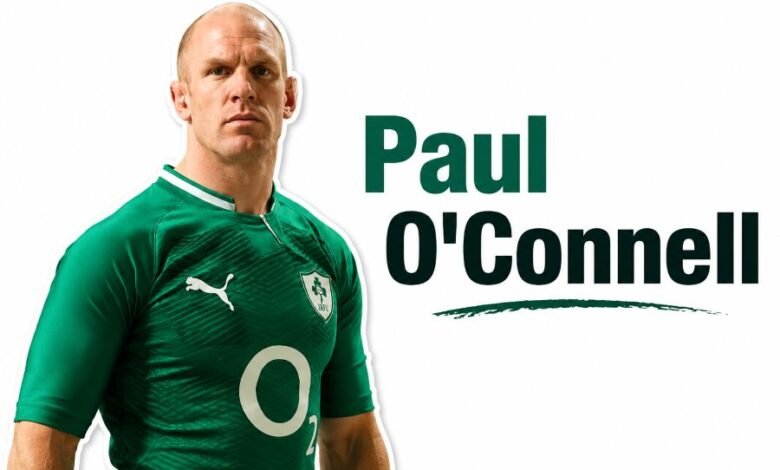
introdution

Paul O’Connell is a retired Irish rugby union player and respected international coach. He became famous as a powerful second-row forward for Munster, Ireland, and the British & Irish Lions.

His career was built on physical strength, detailed preparation, strong leadership, and loyalty to his teams. After retiring from professional rugby, he successfully moved into coaching.

Paul O’Connell is best known for captaining Munster, Ireland, and the British & Irish Lions.

Quick Bio

Field Details
Full Name Paul Jeremiah O’Connell
Known As Paul O’Connell
Nickname Paulie
Date of Birth 20 October 1979
Age 46 years old
Birthplace Limerick, Ireland
Nationality Irish
Profession Rugby coach and former professional player
Playing Position Lock or second row
Height 1.98 metres
Listed Playing Weight Around 110 kg
Former Clubs and Teams Young Munster, Munster, Ireland and British & Irish Lions
Ireland Caps 108
Ireland Tries 8
Munster Appearances 178
Lions Test Appearances 7
Current Role Ireland men’s forwards coach
Wife Emily O’Connell
Parents Michael and Shelagh O’Connell
Famous For Rugby leadership, lineout skill and Ireland captaincy

Who Is Paul O’Connell?

Paul O’Connell is one of the most respected figures in modern Irish rugby. He played as a lock, a position that requires strength, jumping ability, defensive discipline, and a deep understanding of lineouts.

He represented Munster for more than a decade and became one of the province’s greatest captains. He also earned 108 caps for Ireland and appeared at four Rugby World Cups.

His influence went beyond physical performance. Teammates and coaches regularly praised his preparation, communication, honesty, and ability to motivate a team before important matches.

His career is an important example of how an international sports career can be shaped by discipline, patience, and continuous learning.

Early Life and Childhood in Limerick

Paul Jeremiah O’Connell was born on 20 October 1979 in Limerick, Ireland. His parents are Michael and Shelagh O’Connell.

Sport was an important part of his childhood. However, rugby was not the first activity in which he showed serious talent.

As a young boy, he trained as a competitive swimmer. The demanding swimming schedule helped him develop physical fitness, discipline, and the ability to follow a structured training routine.

Golf also became one of his main interests. During his teenage years, he reportedly played from a low handicap and showed strong potential in the sport.

Rugby eventually became his main focus. His height, natural strength, competitive personality, and willingness to learn made him well suited to the second row.

School and Education

O’Connell attended the Model School before studying at Ardscoil Rís in Limerick. His rugby development became more serious during his years at Ardscoil Rís.

He represented the Ireland Schools team during the 1997–98 period. He later played for Ireland at Under-21 level, where he gained experience against some of the best young players in Europe.

After school, he studied computer engineering at the University of Limerick. He spent several years on the course before professional rugby became his main priority.

The University of Limerick later awarded him an honorary Doctor of Science degree in 2015. The honour recognised his achievements in rugby, leadership, and community work.

Early Rugby Development

O’Connell developed through school rugby, Young Munster RFC, and Ireland’s age-group system. Playing club rugby with Young Munster helped him understand the physical and mental demands of senior competition.

He played five matches for Ireland Under-21s in 2000. During this period, he regularly partnered future Munster and Ireland teammate Donncha O’Callaghan in the second row.

These early experiences helped him improve his lineout work, tackling, positioning, and communication. They also prepared him for the pressure of professional rugby.

His development was not based only on natural size. He studied the game carefully and worked to improve the technical details required from an international lock.

Munster Rugby Career

O’Connell entered Munster’s senior system in 2001. His early appearances quickly showed that he had the physical presence and confidence required for top-level provincial rugby.

He went on to make 178 appearances for Munster. During his long career with the province, he became one of the most recognisable players in European rugby.

O’Connell helped Munster win the European Cup in 2006 and 2008. The first victory was especially important because Munster had suffered painful defeats in earlier European campaigns.

He later succeeded Anthony Foley as Munster captain. Under his leadership, Munster continued to build a reputation for powerful forward play, strong team culture, and impressive European performances.

His main Munster honours included:

  • European Cup titles in 2006 and 2008
  • League titles in 2003, 2009 and 2011
  • Celtic Cup success in 2005
  • 178 senior appearances
  • Munster captaincy

O’Connell’s leadership style demanded commitment from every player. His approach reflected the qualities often connected with elite sporting leadership, including responsibility, clear communication, and high personal standards.

Ireland International Career

Paul O’Connell made his senior Ireland debut against Wales on 3 February 2002. He scored a try as Ireland recorded a convincing 54–10 victory.

That performance was the beginning of a long international career. Between 2002 and 2015, he earned 108 caps, scored eight tries, and represented Ireland at four Rugby World Cups.

He captained Ireland on 28 occasions. His leadership was especially important during a successful period that included consecutive Six Nations championship victories in 2014 and 2015.

O’Connell was also part of Ireland’s 2009 Grand Slam-winning team. That campaign ended a long wait for a Grand Slam and remains one of the most important achievements in Irish rugby history.

His major Ireland honours included:

  • Six Nations Grand Slam in 2009
  • Six Nations championships in 2009, 2014 and 2015
  • Triple Crowns in 2004, 2006, 2007 and 2009
  • 108 international appearances
  • 28 matches as Ireland captain
  • Four Rugby World Cup campaigns

He won his 100th Ireland cap against Wales during the 2015 Six Nations. Ireland later successfully defended its championship title.

British & Irish Lions Career

O’Connell was selected for three British & Irish Lions tours. He travelled to New Zealand in 2005, South Africa in 2009, and Australia in 2013.

He played seven consecutive Lions Tests and made 15 total appearances for the touring team. His complete record can be viewed through his official British & Irish Lions profile.

In 2009, he was chosen as the Lions captain for the tour of South Africa. This appointment confirmed his reputation as one of rugby’s strongest leaders.

The Lions lost the Test series 2–1, but O’Connell’s leadership received widespread praise. The team finished the series with a victory in the third Test.

He returned for the 2013 tour of Australia. A broken arm suffered during the first Test ended his playing involvement, but he remained with the squad and supported the team as it won the series.

Playing Position and Style

O’Connell played mainly as a lock or second-row forward. At nearly two metres tall, he was a powerful option in the lineout.

His main strengths included lineout organisation, defensive work, tackling, maul leadership, ball carrying, and communication.

He was known for studying opposition lineouts in detail. This preparation allowed him to recognise patterns and help his teammates make better decisions.

O’Connell also brought emotional energy to important matches. His pre-match speeches became famous because of their intensity, honesty, and ability to focus the team.

Away from the emotional moments, he was a thoughtful player. His success came from combining physical ability with preparation and tactical understanding.

Awards and Major Achievements

Paul O’Connell received several individual honours during his playing career.

He was shortlisted for the International Rugby Board Player of the Year award in 2006. He was the only northern-hemisphere player included among the final nominees.

In 2015, he was named Six Nations Player of the Championship. The award followed his performances as Ireland successfully defended the title.

His other honours included:

  • Rugby Writers of Ireland Player of the Year
  • Irish players’ Player of the Year
  • Freedom of Limerick City
  • Honorary Doctor of Science from the University of Limerick
  • Irish Sports Book of the Year for his autobiography
  • Captaincy of Munster, Ireland and the British & Irish Lions

These achievements show that his value was recognised by players, journalists, supporters, sporting organisations, and his home city.

Injuries and Retirement

Injuries affected several stages of O’Connell’s career. Back problems and other physical issues sometimes kept him away from rugby for long periods.

During the 2013 Lions tour, he fractured his arm in the first Test against Australia. Although he completed the match, he could not play again during the series.

His final Ireland match came against France during the 2015 Rugby World Cup. He suffered a serious hamstring injury that required surgery.

O’Connell had agreed to join French club Toulon after leaving Munster. However, the hamstring injury prevented him from playing for the club.

His experience became another example of a career shaped by injury and recovery, although his final injury eventually forced him to stop playing.

On 9 February 2016, he officially announced his retirement from professional rugby following medical advice.

Life After Playing Rugby

Retirement did not end O’Connell’s connection with the sport. He gradually moved into coaching and player development.

He first returned to Munster in an academy advisory role. This position allowed him to share his experience with young players entering professional rugby.

He later joined the Ireland Under-20 coaching staff. Working with developing players helped him improve his teaching and communication methods.

O’Connell also worked as forwards coach at Stade Français in France. This role gave him experience in a different rugby culture and professional environment.

His journey from a serious injury to a new professional purpose reflects the wider meaning of inspiring athlete resilience.

Ireland Coaching Career

In January 2021, O’Connell joined Andy Farrell’s senior Ireland coaching team as forwards coach.

His responsibilities include lineouts, mauls, forward preparation, and technical development. His playing experience allows him to understand the physical and tactical challenges faced by international forwards.

During the summer of 2025, he served as interim Ireland head coach for matches against Georgia and Portugal while several regular coaches were involved with the British & Irish Lions.

As of June 2026, the latest official material continued to identify him as Ireland’s forwards coach. An Irish Rugby update from March 2026 showed him working with the squad during the Six Nations.

His coaching style appears calmer than his playing personality. He still expects high standards, but he also places importance on teaching, relationships, and helping players understand their roles.

Wife and Family

Paul O’Connell is married to Emily O’Connell. He publicly thanked her for supporting him through both the successful and difficult stages of his playing career.

He has also spoken warmly about his parents, Michael and Shelagh. His Limerick background remained important throughout his career.

Despite his international fame, O’Connell has generally maintained a private and family-focused life away from rugby.

Book and Public Work

O’Connell published his autobiography, The Battle, with writer Alan English in 2016.

The book explores his childhood, rugby development, leadership experiences, injuries, personal doubts, and major matches with Munster, Ireland, and the Lions.

The Battle won the Irish Sports Book of the Year award. Readers praised the book for presenting an honest view of the pressure and emotional demands of professional rugby.

O’Connell has also supported charitable and community projects connected with education, young people, sport, and Limerick.

Public Image and Legacy

Paul O’Connell has a positive public image built around honesty, loyalty, discipline, and leadership.

Supporters remember his physical presence, emotional speeches, lineout skill, and commitment to the red Munster jersey and green Ireland jersey.

Former teammates often describe him as a player who raised standards. His attention to small details helped influence the culture of the teams he represented.

His story belongs beside other athletes who created a historic sporting legacy through performance, leadership, and influence beyond the playing field.

His move into coaching means his impact continues. Younger Irish forwards now benefit from the knowledge he developed during more than a decade of international rugby.

Interesting Facts

  • Rugby was not his first major sport because he trained seriously as a swimmer.
  • He was also a talented young golfer.
  • He studied computer engineering at the University of Limerick.
  • He scored a try on his Ireland debut against Wales.
  • He appeared at four Rugby World Cups.
  • He captained the British & Irish Lions in South Africa in 2009.
  • He played seven consecutive Lions Tests.
  • He won two European Cups with Munster.
  • He earned 108 caps for Ireland.
  • His autobiography won the Irish Sports Book of the Year.

Conclusion

Paul O’Connell built one of the strongest careers in Irish rugby history. From his childhood in Limerick to European success with Munster, international honours with Ireland, and Lions captaincy, his journey was defined by preparation and leadership.

Injury ended his playing career earlier than planned, but it did not end his influence on rugby. He successfully moved into coaching and became an important member of Ireland’s senior management team.

His legacy is not based only on trophies or appearances. It also comes from the standards he created, the teammates he inspired, and the knowledge he now passes to a new generation of Irish players.

FAQs

What is Paul O’Connell’s full name?

His full name is Paul Jeremiah O’Connell.

How old is Paul O’Connell?

He is 46 years old, having been born on 20 October 1979.

Where was Paul O’Connell born?

He was born in Limerick, Ireland.

What position did he play?

He played as a lock or second-row forward.

How many caps did he win for Ireland?

He earned 108 senior international caps.

Did he captain the British & Irish Lions?

Yes, he captained the Lions during their 2009 tour of South Africa.

Why did he retire from rugby?

He retired following medical advice after suffering a serious hamstring injury at the 2015 Rugby World Cup.

What does he do now?

He works as the forwards coach for the Ireland men’s national rugby team.


Related Articles

Leave a Reply

Your email address will not be published. Required fields are marked *

Back to top button