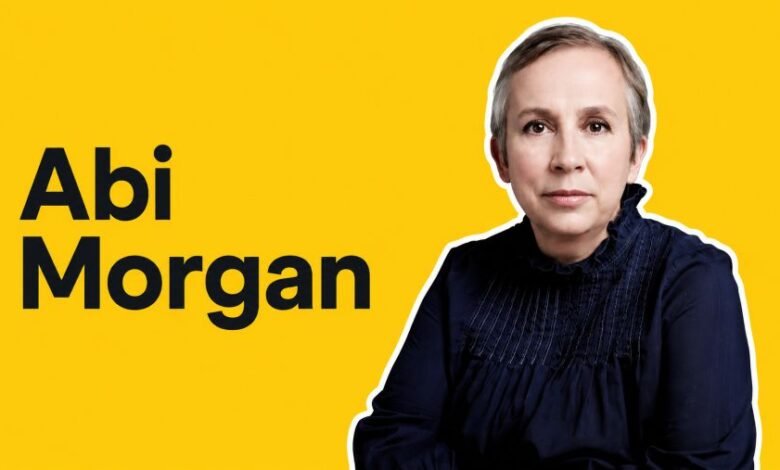
Abi Morgan: Powerful Story Behind A Brilliant Screenwriting Voice
Celebrated playwright and screenwriter shaping modern British drama

Introduction
Abi Morgan is a respected British playwright and screenwriter known for emotionally strong stories, realistic characters, and powerful female-led dramas. Her work covers theatre, television, film, and memoir writing.
Her career is inspiring because she built success through talent and persistence. The positive side of her journey is her creative impact; the negative side is that her personal life has also faced illness, pressure, and emotional hardship.
Quick Bio
| Detail | Information |
|---|---|
| Real Name | Abigail Louise Morgan |
| Known Name | Abi Morgan |
| Date of Birth | December 1968 |
| Birthplace | Cardiff, Wales |
| Nationality | British / Welsh |
| Profession | Playwright and screenwriter |
| Education | Exeter University; Central School of Speech and Drama |
| Spouse | Jacob Krichefski |
| Children | Two |
| Known For | The Hour, The Split, Suffragette, The Iron Lady |
| Health | Breast cancer survivor |
| Memoir | This Is Not a Pity Memoir |
Early Life and Family Background
Abi Morgan was born in Cardiff, Wales. She grew up in a creative family, which helped shape her understanding of theatre, performance, and storytelling from a young age.
Her father, Gareth Morgan, was a theatre director, and her mother, Pat England, was an actress. Because of this background, Abi was exposed to the world of drama early in life.
Education
Abi Morgan studied Drama and Literature at Exeter University. Her academic background gave her a strong foundation in storytelling, character development, and dramatic structure.
She later studied writing at the Central School of Speech and Drama. This helped her move from interest in performance toward a serious career as a writer.
Career Start
Abi Morgan began her career in theatre during the late 1990s. Her early stage work helped her become known as a thoughtful and emotionally sharp playwright.
Her play Skinned was one of her first professional works. Later, plays such as Tender, Splendour, Fugee, and Lovesong strengthened her reputation.
Television Career
Abi Morgan became widely known through television writing. Her work often explores family, trauma, identity, love, justice, and emotional conflict.
Her major television works include Sex Traffic, The Hour, River, The Split, and Eric. These projects show her skill in creating deep characters and memorable stories.
Film Career
Abi Morgan also achieved success as a film screenwriter. She wrote or co-wrote several important films that received international attention.
Her film credits include Brick Lane, The Iron Lady, Shame, The Invisible Woman, and Suffragette. These films show her ability to handle both personal and historical subjects.
Career Timeline
| Year | Career Highlight |
|---|---|
| 1998 | Began professional theatre writing |
| 2001 | Earned recognition for Tender |
| 2004 | Wrote Sex Traffic |
| 2011 | Gained major success with The Hour and The Iron Lady |
| 2013 | Won Emmy recognition for The Hour |
| 2015 | Wrote Suffragette |
| 2018 | Appointed OBE |
| 2018 | Created The Split |
| 2022 | Published This Is Not a Pity Memoir |
| 2024 | Created Netflix drama Eric |
Awards and Recognition
Abi Morgan has received major recognition for her work in theatre and screenwriting. Her awards and nominations prove her importance in British drama.
She has received Emmy recognition, BAFTA nominations, and an OBE for services to theatre and screenwriting. These achievements show her strong professional legacy.
Personal Life
Abi Morgan is married to actor Jacob Krichefski. The couple has two children and has kept much of their family life private.
Her personal life became publicly discussed after serious health challenges affected her family. These experiences later inspired her memoir, written with honesty and emotional strength.
Health Status
Abi Morgan has spoken publicly about being diagnosed with breast cancer. She underwent treatment and later continued her creative work.
Her husband also faced a serious neurological illness. This difficult period became part of her deeply personal book This Is Not a Pity Memoir.
Career Overview
Abi Morgan’s career is powerful because she has worked successfully across theatre, television, film, and books. Many writers succeed in one area, but she built influence across several creative fields.
As a playwright and screenwriter, she is known for emotional truth, strong dialogue, and complex female characters. Her work continues to inspire writers and audiences.
Conclusion
Abi Morgan’s story is one of creativity, strength, and resilience. From Cardiff to international screenwriting success, she has become one of Britain’s most respected dramatic voices.
Her journey includes professional achievement and personal hardship. Yet her work remains meaningful because it reflects real human emotion, courage, and survival.
FAQs
Who is Abi Morgan?
Abi Morgan is a British and Welsh playwright and screenwriter. She is known for The Split, The Hour, Suffragette, and The Iron Lady.
What is Abi Morgan’s real name?
Her real name is Abigail Louise Morgan. She is professionally known as Abi Morgan.
Where was Abi Morgan born?
Abi Morgan was born in Cardiff, Wales. She later became active in British theatre, television, and film.
Is Abi Morgan married?
Yes, Abi Morgan is married to actor Jacob Krichefski. They have two children.
What is Morgan famous for?
She is famous for writing emotional television dramas, stage plays, and films. Her best-known works include The Split and The Iron Lady.
What illness did Morgan have?
Abi Morgan publicly shared that she had breast cancer. She received treatment and later wrote about illness and resilience.
What is Morgan’s memoir called?
Her memoir is titled This Is Not a Pity Memoir. It discusses family, illness, love, and survival.
What is Morgan’s profession?
Abi Morgan is a playwright and screenwriter. She also works as an author and producer.