Martine Wright Biography: Powerful Journey of Courage
The remarkable life of a 7/7 survivor who rebuilt her future and represented Great Britain at the London Paralympics

Introduction
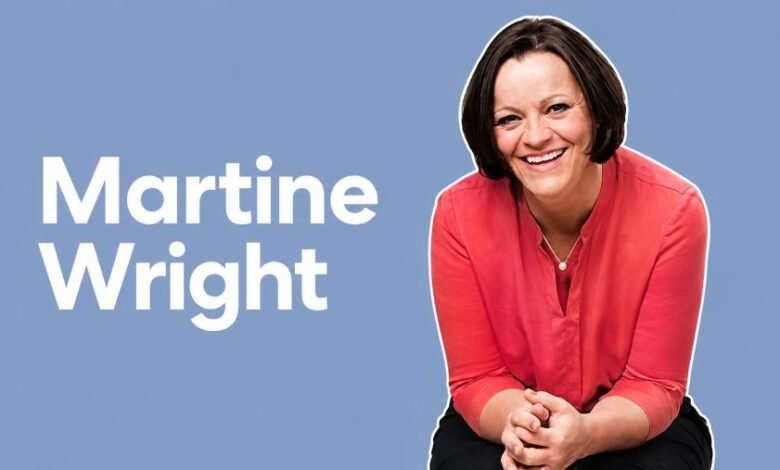
Martine Wright MBE is a British former sitting-volleyball player, motivational speaker, author, broadcaster, and disability inclusion campaigner.
She survived the 7 July 2005 London bombings but suffered life-changing injuries. Instead of allowing that moment to define her future, she rebuilt her life and represented Great Britain at the London 2012 Paralympic Games.
Martine Wright is best known for turning an unimaginable tragedy into a powerful story of sport, purpose, leadership, and resilience.
Quick Bio
| Field | Details |
|---|---|
| Public Name | Martine Wright |
| Official Honours Name | Martine Anne Wiltshire |
| Birth Name | Martine Wright |
| Married Name | Martine Wiltshire |
| Date of Birth | 30 September 1972 |
| Age | 53 years old |
| Birthplace | London, England |
| Nationality | British |
| Gender | Female |
| Profession | Former Paralympian, speaker, author, broadcaster, and campaigner |
| Sport | Sitting volleyball |
| National Team | Great Britain |
| Paralympic Appearance | London 2012 |
| Education | Psychology and Communication Studies |
| University | University of East London |
| Husband | Nick |
| Children | One son, Oscar |
| Honour | Member of the Order of the British Empire |
| Famous For | Surviving the 7/7 bombings and becoming a Paralympian |
Who Is Martine Wright?
Martine Wright is a British Paralympian whose life changed during the London terrorist attacks on 7 July 2005.
She was travelling to work on a Circle Line train near Aldgate when a bomb exploded inside her carriage. She lost both legs above the knee and faced a long period of hospital treatment and rehabilitation.
Her story later became one of Britain’s strongest examples of recovery through sport. Like many stories of sporting resilience, her journey includes pain, adjustment, hard work, and a new sense of direction.
She eventually joined the Great Britain women’s sitting-volleyball team and competed at the London 2012 Paralympic Games.
Early Life and Background
Martine Wright was born on 30 September 1972 in London, England.
She grew up in the capital and has often spoken proudly about her London identity. Sport and physical activity were part of her life, although she did not originally plan to become an elite athlete.
Her parents separated when she was a teenager. Public interviews also confirm that she has a brother and a sister, but their names have remained outside her main public profile.
Before the events that made her internationally known, she lived an independent life centred on education, work, friends, and her professional ambitions.
Education
Martine studied Psychology and Communication Studies at the University of East London.
She completed her degree in 1996. Her studies later connected naturally with her work as a communicator, campaigner, broadcaster, and motivational speaker.
In 2013, the University of East London awarded her an honorary Doctorate in Science. The honour recognised her sporting journey, resilience, and positive influence.
She also received an honorary Doctor of Health Sciences degree from York St John University in the same year.
Career Before the London Bombings
Before becoming a Paralympian, Martine worked in international marketing.
She held a senior marketing role with the technology company CNET. Her professional life involved business responsibilities, international work, and clear career goals.
She was ambitious and expected to continue developing within the corporate world.
However, the events of July 2005 completely changed her physical condition, daily routine, and future plans.
The 7 July 2005 London Bombings
On the morning of 7 July 2005, Martine was travelling to work through London.
She boarded a Circle Line train and sat only a short distance from one of the bombers. The explosion near Aldgate caused devastating injuries.
Martine lost both legs above the knee and suffered severe blood loss. She remained trapped in the damaged carriage before emergency workers could rescue her.
An off-duty police officer, Elizabeth Kenworthy, stayed with her and helped control the bleeding. Martine has publicly credited her with playing an important role in saving her life.
She remained unconscious for around ten days and required numerous operations. Her hospital treatment was followed by months of difficult rehabilitation.
Rehabilitation and Learning to Walk Again
Martine had to adjust to life as a double above-knee amputee.
She received treatment at the Royal London Hospital and later attended rehabilitation at Queen Mary’s Hospital in Roehampton.
Learning to use prosthetic legs required physical strength, patience, and repeated practice. The process was difficult, but support from medical staff, friends, family, and other amputees helped her continue.
Her recovery reflects the wider importance of injury recovery in professional sport, where physical progress is often closely connected with confidence and mental strength.
Martine later described her support network as “Team Me.” This included the people who encouraged her and helped her rebuild her independence.
Husband and Family Life
Martine married her long-term partner, Nick, after the bombing.
Nick supported her throughout her hospital treatment and recovery. He regularly visited her and remained part of the support system around her during the most difficult period.
The couple later welcomed a son named Oscar.
Marriage and motherhood became important parts of Martine’s new life. She has spoken about her family with warmth while keeping many private details away from public attention.
Learning to Fly and Taking New Challenges
Martine did not limit her recovery to walking with prosthetic legs.
She received a Douglas Bader Flying Scholarship and travelled to South Africa to learn how to fly. She later gained a pilot’s licence.
She also learned to ski and completed a parachute jump.
These experiences helped her build a stronger relationship with her new body. They also showed her that disability did not have to end ambition, adventure, or personal achievement.
Each new challenge gave her confidence and prepared her for the sporting opportunity that followed.
Discovering Sitting Volleyball
After becoming a mother, Martine began searching for a new personal goal.
A physiotherapist encouraged her to attend a sporting event for people with disabilities at Stoke Mandeville. She first tried wheelchair tennis but found it too individual.
She then discovered sitting volleyball.
The team environment immediately appealed to her. Sitting volleyball allowed athletes with different disabilities and experiences to train, communicate, compete, and support each other.
Martine joined a London club before earning an opportunity with the developing Great Britain women’s sitting-volleyball squad.
Sitting-Volleyball Career
Martine became part of the British women’s sitting-volleyball programme as the team prepared for international competition.
She made her international debut in 2010 and began training seriously for the London Paralympic Games.
The sport required fast movement across the floor, strong communication, accurate passing, quick reactions, and disciplined teamwork.
Her development also reflected the qualities seen in women’s sports leadership: preparation, responsibility, competitive focus, and trust between teammates.
Martine eventually became captain of the British Paralympic sitting-volleyball team.
London 2012 Paralympic Games
Martine was selected to represent Great Britain at the London 2012 Paralympic Games.
Her appearance had deep personal meaning. The day before the 2005 attacks, she had celebrated London winning the right to host the Olympic and Paralympic Games.
Seven years later, she entered the Games as an athlete rather than a spectator.
She wore the number seven shirt, creating a symbolic connection with the date that had changed her life.
The official International Paralympic Committee record confirms her participation in the women’s sitting-volleyball competition at London 2012.
Although Great Britain did not win a medal, Martine achieved something that once seemed impossible: she represented her country at a home Paralympic Games.
Playing Style and Work Ethic
Martine was known for her competitiveness, energy, commitment, and positive influence within the team.
She trained for many hours each week before London 2012. Her preparation included domestic camps and international matches.
Her strongest qualities were not limited to physical performance. She valued communication, teamwork, confidence, and shared responsibility.
These qualities later became central themes in her speaking career.
Her approach showed that success is not always measured by a medal. Reaching the Paralympic stage after life-changing trauma was itself a major achievement.
Awards and Honours
Martine received the Helen Rollason Award at the 2012 BBC Sports Personality of the Year ceremony.
The award honours outstanding achievement in the face of adversity. Her sporting journey and recovery made her a highly respected recipient.
She was also named Hertfordshire Sportswoman of the Year and received recognition from organisations celebrating inspirational women.
In 2016, Martine was appointed a Member of the Order of the British Empire.
Her MBE was awarded for services to sport. The honour recognised both her Paralympic career and her influence as a role model.
Broadcasting and Television Work
After the London Paralympics, Martine developed a career in broadcasting and television.
She has presented or contributed to coverage for the BBC and Channel 4. Her work has included the Paralympic Games and the Invictus Games.
She also worked as a roving reporter during the Rio 2016 Paralympics.
This work connected her sporting experience with British sports broadcasting, allowing her to explain competition through the view of a former athlete.
Her natural communication style helped her speak clearly about disability, sport, teamwork, and recovery.
Motivational-Speaking Career
Martine is now an international keynote speaker, workshop leader, and consultant.
Her talks focus on adversity, resilience, leadership, teamwork, communication, inclusion, growth mindset, and workplace belonging.
One of her main keynote themes is called The Power of 7. It connects the date of the attack, her number seven Paralympic shirt, and the life lessons she developed through recovery.
Her speaking work is built around practical experience rather than theory alone. She explains how people can respond to change, accept support, and make meaningful choices during difficult periods.
Her views on leadership under pressure are shaped by her experience in business, rehabilitation, elite sport, broadcasting, and public speaking.
The official Martine Wright website confirms that she continues to deliver keynote talks, workshops, and consultancy services around the world.
Book: Unbroken
Martine shared her full story in the memoir Unbroken: My Story of Survival from 7/7 Bombings to Paralympic Success.
The book was written with journalist Sue Mott.
It follows her life before the attack, the events of 7 July 2005, her hospital treatment, rehabilitation, family life, and Paralympic journey.
The memoir won Autobiography of the Year at the 2018 Sports Book Awards.
Charity Work and Campaigning
Martine has supported people affected by the 7/7 attacks and has spoken about the difficulties survivors faced after the tragedy.
She campaigned for better compensation for victims and their families.
She has also worked as an ambassador for disability sport and promoted better inclusion for disabled people.
Her public work encourages organisations to treat accessibility and belonging as serious responsibilities rather than simple public statements.
She uses her own experience to show how opportunity, support, and inclusive thinking can change a person’s future.
Public Image and Personality
Martine is publicly known as positive, direct, competitive, humorous, and determined.
Her message does not ignore the pain of trauma. Instead, she focuses on the decisions, opportunities, and relationships that helped her build a different life.
She often speaks about gratitude and the importance of using the opportunities that remain available.
Her philosophy is based on purpose, teamwork, growth, and refusing to define a person only through their worst experience.
She also believes that asking for and accepting support can be a sign of strength.
Current Status
As of June 2026, Martine Wright remains active as an international motivational speaker, consultant, author, and inclusion advocate.
She is no longer presented as an active international sitting-volleyball player. Her public career is now mainly focused on speaking, leadership development, broadcasting, and organisational workshops.
Her current keynote subjects include resilient leadership, diversity, communication, growth mindset, change, peak performance, and workplace culture.
She also continues to share the lessons of her personal recovery and London 2012 journey with audiences around the world.
Interesting Facts About Martine Wright
- She was one of the most seriously injured survivors of the 7/7 London bombings.
- She lost both legs above the knee.
- She learned to use prosthetic legs during rehabilitation.
- She gained a pilot’s licence after receiving a flying scholarship.
- She has completed a parachute jump.
- She represented Great Britain at the London 2012 Paralympics.
- She wore the number seven shirt during her Paralympic journey.
- She received the BBC Helen Rollason Award in 2012.
- She was appointed MBE in 2016.
- Her memoir won a major sports autobiography award.
Legacy and Impact
Martine Wright’s legacy reaches beyond sitting volleyball.
Her life demonstrates how sport can restore confidence, create community, and give a person a meaningful new goal.
She also helped bring attention to disabled athletes during an important period in the development of British Paralympic sport.
Through speaking and broadcasting, she continues to influence discussions about resilience, inclusion, leadership, and recovery.
Her achievements do not remove the tragedy she experienced. Instead, they show how a person can build purpose after a life-changing event.
Conclusion
Martine Wright is a British Paralympian whose journey connects tragedy, recovery, family, sport, and public service.
After losing both legs in the 7/7 London bombings, she learned to walk again, gained a pilot’s licence, became a mother, and represented Great Britain at the London 2012 Paralympics.
She later built successful careers as an author, broadcaster, campaigner, and international speaker.
Her biography is powerful because it does not present recovery as easy. It shows that progress can come through support, repeated effort, teamwork, opportunity, and the courage to create a different future.
FAQs
Who is Martine Wright?
She is a British former sitting-volleyball player, Paralympian, author, broadcaster, and motivational speaker.
How old is Martine Wright?
She is 53 years old as of June 2026.
When was Martine Wright born?
She was born on 30 September 1972.
Where was Martine Wright born?
She was born in London, England.
What happened to Martine Wright?
She lost both legs above the knee during the 7 July 2005 London bombings.
Which Paralympic Games did she compete in?
She represented Great Britain at the London 2012 Paralympic Games.
Is Martine Wright married?
Yes. She is married to her long-term partner, Nick.
Does Martine Wright have children?
Yes. She has one son named Oscar.
What sport did Martine Wright play?
She played sitting volleyball for Great Britain.
Why did Martine Wright receive an MBE?
She received an MBE in 2016 for services to sport.