How Modern Agricultural Equipment Dealers Are Transforming Farming Operations Across the Region

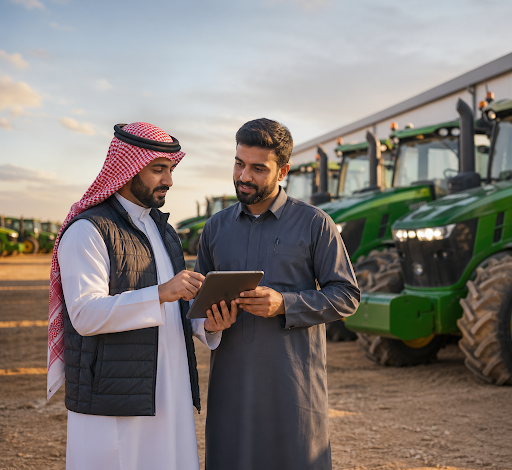
Agriculture has always been the backbone of rural economies, but the tools and technologies that support it have changed dramatically over the past few decades. From compact utility tractors to massive combine harvesters, the machinery available to today’s farmers is more capable, more efficient, and more connected than ever before. Behind this transformation are the equipment dealers and service providers who not only supply the machines but also educate, support, and empower the farming communities they serve. Understanding how these relationships work — and why they matter — is essential for anyone looking to maximize productivity on the land.
The Evolving Role of Agricultural Equipment in Modern Farming
Farming today is a precision science. Soil sensors, GPS-guided tractors, variable-rate application systems, and data-driven planting strategies have replaced much of the guesswork that once defined agricultural practice. This shift has placed enormous pressure on farmers to not only understand their land but also to understand the machines they rely on to work it. Equipment is no longer just a tool — it is an investment that must be carefully selected, properly maintained, and strategically deployed across the growing season.
The diversity of available machinery is staggering. Tractors range from small utility models suited for hobby farms to high-horsepower row-crop machines capable of pulling multi-section implements across thousands of acres. Planters, sprayers, tillage equipment, and harvesting machines each play a specific role in the production cycle, and selecting the right combination for a given operation requires both agronomic knowledge and mechanical expertise. This is where trusted dealers become indispensable partners rather than simple vendors.
Matching Equipment to Operation Size and Terrain
One of the most critical decisions a farmer makes is matching equipment capacity to the actual demands of their operation. Oversized machinery on small acreage leads to unnecessary capital expenditure and soil compaction, while undersized equipment on large farms creates bottlenecks during planting and harvest windows. Experienced dealers assess field conditions, crop types, acreage, and budget constraints before recommending specific models. This consultative approach ensures that farmers invest wisely and avoid costly mismatches that can affect profitability for years.
Terrain also plays a significant role in equipment selection. Hilly ground demands different traction and stability characteristics than flat, open plains. Wet, clay-heavy soils require different tire configurations and horsepower ratings than sandy, well-drained fields. A knowledgeable dealer understands these nuances and guides customers toward solutions that perform reliably under local conditions rather than simply recommending the most popular or highest-margin models.
Combine Harvesters: The Crown Jewel of Harvest Season
Among all the machines used in crop production, the combine harvester holds a special place in agricultural culture and economics. These massive, complex machines are responsible for cutting, threshing, separating, and cleaning grain in a single pass across the field — a process that once required dozens of workers and weeks of labor. Modern combines are equipped with sophisticated monitoring systems that track grain loss, moisture content, yield mapping, and machine performance in real time, giving operators unprecedented insight into harvest efficiency.
For many farmers, the sight of a big red combine harvester rolling through a golden field at harvest time is more than just a practical sight — it represents the culmination of an entire year’s work, planning, and investment. The color, the scale, and the mechanical complexity of these machines have made them iconic symbols of agricultural ambition and capability. Choosing the right combine, however, requires careful analysis of crop type, field conditions, throughput requirements, and long-term service availability.
Service and Parts Availability: The Hidden Factor in Equipment Value
When evaluating agricultural equipment, farmers often focus on purchase price and performance specifications. However, one of the most important factors in the total cost of ownership is the availability of service and replacement parts. A machine that breaks down during planting or harvest and cannot be repaired quickly can cost far more in lost productivity than the initial savings from choosing a cheaper brand. Dealers with robust parts inventories, certified technicians, and responsive service departments provide a level of security that goes well beyond the sale itself.
The Global Importance of Tractors and Farm Machinery
The significance of agricultural machinery extends far beyond North America and Europe. In developing agricultural economies, access to reliable tractors and implements can mean the difference between subsistence farming and commercial viability. According to research on the importance of tractors for farmers in India, mechanization has dramatically increased crop yields, reduced labor costs, and improved the livelihoods of millions of smallholder farmers. This global perspective reinforces the idea that quality agricultural equipment, supported by knowledgeable dealers and accessible financing, is a foundational element of food security and rural economic development.
As global food demand continues to rise, the pressure on farmers everywhere to produce more with less — less land, less water, less labor — will only intensify. The agricultural equipment industry, and the dealers who represent it, will play a central role in enabling that productivity growth through innovation, education, and service excellence.
H&R Agri-Power: A Trusted Partner for Farming Communities
H&R Agri-Power has built a strong reputation as one of the most respected agricultural equipment dealerships in the region, offering an extensive lineup of tractors, combines, planters, and precision agriculture technology backed by expert service and genuine parts support. With multiple locations strategically positioned to serve farming communities across a wide geographic area, H&R Agri-Power combines the product depth of a large organization with the personalized attention that local farmers expect and deserve. Their team of trained specialists works closely with customers to understand the unique demands of each operation, ensuring that every equipment recommendation is grounded in practical knowledge and long-term value.
Beyond equipment sales, H&R Agri-Power invests in the success of the farming community through training programs, precision agriculture support, and a commitment to keeping machines running when it matters most. Their service departments are staffed by certified technicians who understand the urgency of harvest and planting deadlines, and their parts availability is designed to minimize downtime during critical operational windows. This comprehensive approach to customer support is what distinguishes a true agricultural partner from a simple equipment retailer.
Building Long-Term Relationships in Agriculture
The most successful agricultural equipment dealers understand that their business is built on relationships, not transactions. Farmers who trust their dealer return year after year, expand their equipment fleets through that dealer, and refer neighbors and family members based on their own positive experiences. This loyalty is earned through consistent honesty, reliable service, fair pricing, and a genuine understanding of what farmers face each season.
As technology continues to reshape agriculture — from autonomous tractors to satellite-guided field management — the role of the trusted dealer will evolve but will not diminish. If anything, the increasing complexity of modern farm equipment makes expert guidance more valuable, not less. Farmers navigating the transition to precision agriculture need partners who can explain the technology, demonstrate its benefits, and support its implementation in practical, field-ready ways.
Conclusion: Investing in the Right Equipment Partner
Choosing the right agricultural equipment is one of the most consequential decisions a farmer makes, but choosing the right dealer may be even more important. The machine itself is only as valuable as the support structure behind it — the technicians who maintain it, the parts that keep it running, and the advisors who help optimize its performance across every season. Whether you are purchasing your first tractor or expanding a large commercial operation, partnering with a knowledgeable, well-resourced dealer is the foundation of long-term agricultural success. In a business defined by weather, markets, and biological cycles that no one can fully control, having a reliable equipment partner is one variable that farmers can choose wisely.